
Insomnia
- Home
- Services
- Featured Treatment
- Insomnia
Insomnia
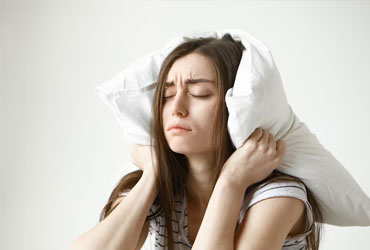
Insomnia is defined as difficulty initiating, or maintaining sleep at least 3 nights per week, in addition to complaints of sleep related daytime impairment. In many cases, it can be relieved with a few simple behavioral changes or medication.
CAUSES
- Use of psychoactive drugs (such as stimulants), including certain medications, herbs, caffeine etc.
- Restless Legs Syndrome, which can cause sleep onset insomnia due to the discomforting sensations felt and the need to move the legs or other body parts to relieve these sensations.
- Periodic limb movement disorder (PLMD), which occurs during sleep and can cause arousals that the sleeper is unaware of.
- Pain
- Hormone shifts such as those that precede menstruation and those during menopause.
- Life events such as fear, stress, anxiety, emotional or mental tension, work problems, financial stress, birth of a child and bereavement.
- Mental disorders such as bipolar disorder, clinical depression, generalized anxiety disorder, post traumatic stress disorder, schizophrenia, obsessive compulsive disorder, dementia or excessive alcohol intake.
- Disturbances of the circadian rhythm, such as shift work and jet lag.
- Certain neurological disorders, brain lesions, or a history of traumatic brain injury.
- Medical conditions such as hyperthyroidism and rheumatoid arthritis.
- Abuse of over-the counter or prescription sleep aids (sedative or depressant drugs) can produce rebound insomnia.
- Poor sleep hygiene, e.g., noise.
- Parasomnias, which include such disruptive sleep events as nightmares, sleepwalking, night terrors, violent behavior while sleeping.
- Physical exercise. Exercise-induced insomnia is common in athletes, causing prolonged sleep onset latency.
SYMPTOMS
- Difficulty falling asleep.
- Excessive sleepiness during the day.
- History of falling asleep during the day at inappropriate times.
- Nightmares or disturbing thoughts that keep you awake.
- Pain, frequent urination, or unusual sensations that keep you awake.
- Significant trouble getting out of bed in the morning.
- Sleep that does not refresh you.
- Waking up several times throughout the night.
- Waking up early in the morning.
DO'S AND DON'TS
- If possible, go to bed and wake up at the same time each day.
- Avoid performing activities such as eating and working in your bed.
- Avoid strenuous activity 2 hours before going to bed.
- Avoid caffeinated and alcoholic beverages in the evening.
- Avoid eating heavy meals at least 2 hours before going to sleep.
- Develop a bedtime routine that includes calming, relaxing activities.
- Make sure your sleep environment is quiet, dark, and is at a comfortable temperature.